A federal judge vacated a Trump administration policy that had suspended immigration visa processing for applicants from 75 countries.
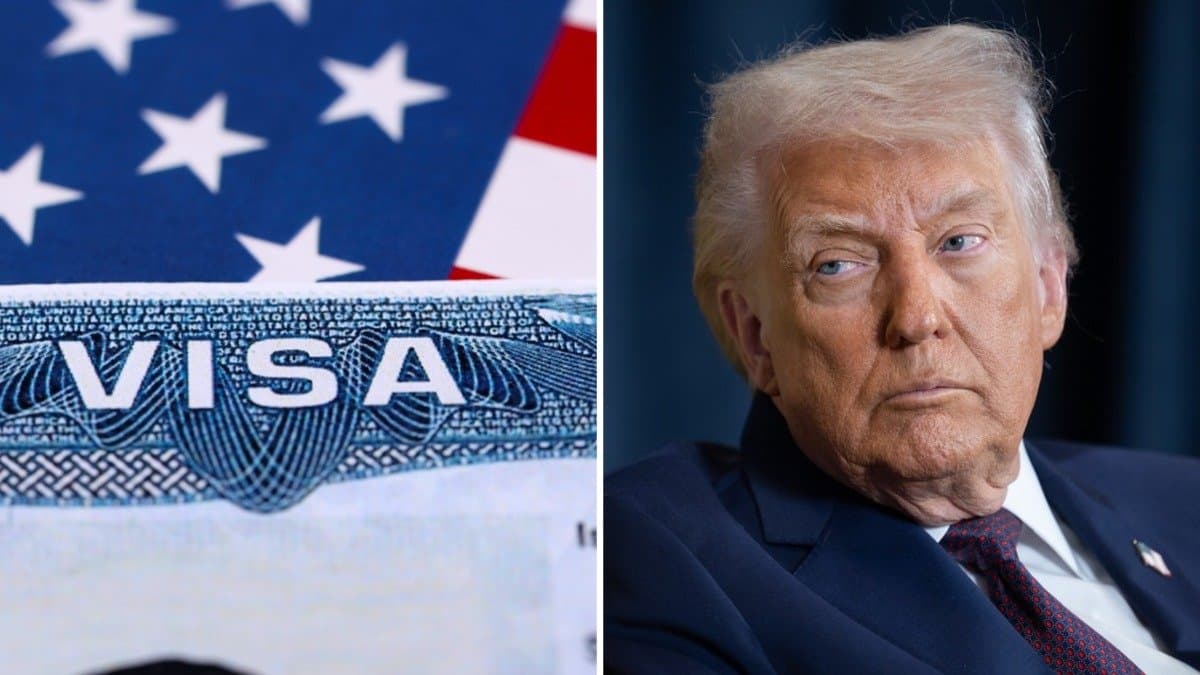
U.S. District Judge Jeannette Vargas ruled Friday that a Trump administration policy suspending immigrant visa processing for applicants from 75 countries violated federal immigration law and exceeded the authority of Secretary of State Marco Rubio. The policy, which covered nations including Afghanistan, Iran, Russia, Somalia and others, had blocked visas for people the administration deemed likely to need public assistance in the United States. The ruling followed a lawsuit brought by two nonprofit organizations and 11 individuals, including relatives of visa applicants who had been denied.
A federal judge in New York has vacated a Trump administration policy that suspended the processing of immigrant visas from 75 countries, a ruling that could affect thousands of South Florida families waiting on relatives caught in the freeze.
U.S. District Judge Jeannette Vargas, appointed by former President Joe Biden, ruled Friday that the policy was "contrary to law and in excess of statutory authority." The policy had halted visa processing for applicants from countries including Afghanistan, Iran, Russia and Somalia, based on the administration's determination that people from those nations were likely to need public assistance after arriving in the United States.
Vargas found that Secretary of State Marco Rubio exceeded his authority in issuing the policy, writing that it "runs afoul" of the Immigration and Nationality Act by requiring "the refusal of visas to eligible applicants without any basis in law." She said the policy also stripped consular officers of the discretion Congress gave them to evaluate each visa application individually.
"Congress imbued these officers with exclusive authority and discretion to determine if an immigrant is eligible for a visa based upon review of specific and detailed criteria set forth in the statute," Vargas wrote. "The Policy, which categorically prohibits the issuance of immigrant visas based upon the nationality of the applicant, represents a direct abrogation of this statutory scheme."
Two nonprofit organizations and 11 individuals filed the lawsuit challenging the policy. Six of the plaintiffs are U.S. residents whose family members had been denied visas. The other five are applicants living abroad who had filed employment-based petitions to come to the United States.
The policy traced back to a broader directive issued in November that tightened screening for immigrants who might become what the government calls a "public charge." The State Department cited Council of Economic Advisers data claiming more than 30 percent of households from the affected countries received some form of public assistance, and instructed consular officers worldwide to pause immigrant visa applications from those nations. A separate cable sent to U.S. embassies and consulates also directed officers to screen non-immigrant visa applicants for the same concern.
The list of 75 countries includes nations across Africa, Asia, the Middle East, and parts of Latin America and the Caribbean. Miami-Dade and Broward counties have large populations with ties to Haiti, Cuba, Venezuela and Nicaragua, and immigration attorneys handling cases there say they have fielded questions for months from families whose visa petitions stalled after the policy took effect.
Anna Gallagher, executive director of the Catholic Legal Immigration Network, one of the organizations that sued over the policy, said the ruling restores a path toward reunification for families who had been separated.
"We welcome this ruling because, at its heart, this case is about keeping families together," Gallagher said in a statement. "Catholic social teaching calls us to uphold the dignity of every person and recognize the family as the foundation of society. This decision affirms both those values and the rule of law, allowing families to once again move forward toward reunification."
Diana Konate, deputy executive director for policy and advocacy at African Communities Together, another plaintiff in the case, called the decision "a tremendous victory for the rule of law."
"This unlawful and racist ban caused immeasurable harm, cruelly keeping families and loved ones apart," Konate said. "Today, we are elated to tell our community members: this ban is no more."
The State Department said over the weekend that it is "protecting the American people by upholding the highest standards of screening and vetting of visa applicants" and declined to comment further, citing the pending litigation.
The Trump administration has separately expanded travel and immigration restrictions affecting people from countries across Africa, Asia and Latin America. It is unclear whether the administration will appeal Vargas' decision or try to reissue a narrower version of the policy.
For now, consular officers are required to resume standard case-by-case review of immigrant visa applications from the 75 countries named in the vacated policy. Immigration attorneys handling cases for South Florida clients say how quickly stalled applications move forward will depend on when the State Department issues updated guidance to its consulates and embassies overseas.